Gold, Platinum, or Silver? A Complete Guide to Choosing the Right Metal for Your Jewellery
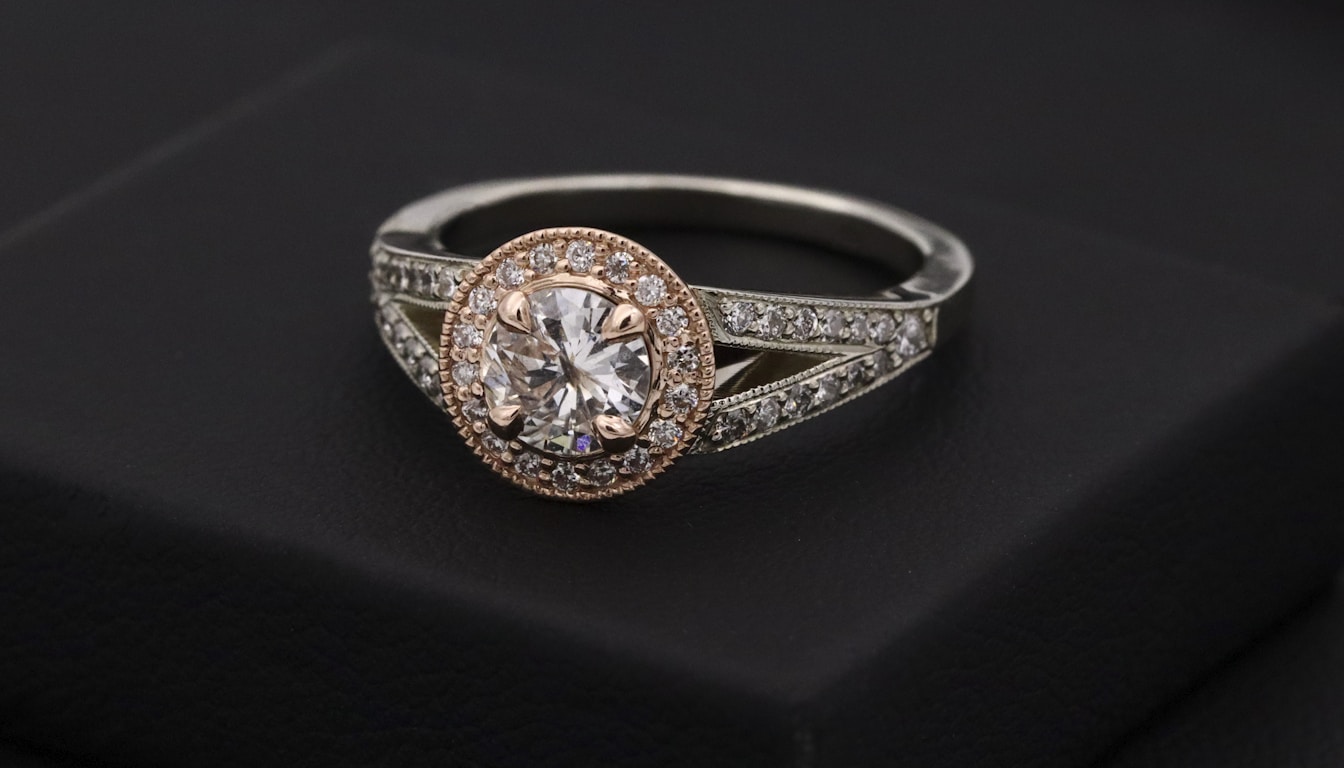
When most people think about fine jewellery, the stone gets all the attention. But the metal that holds that stone is just as important to the overall look, feel, durability, and longevity of a piece. Choosing the right metal is not just an aesthetic decision — it is a practical one. The wrong choice can mean a ring that discolours over time, irritates the skin, or requires constant upkeep. The right choice, on the other hand, becomes part of the piece's story.
Yellow Gold: The Classic Choice
Yellow gold is the most traditional metal for fine jewellery and remains one of the most popular. Pure gold, however, is too soft to use on its own — it bends and scratches easily. Jewellery gold is almost always alloyed with other metals to improve its hardness. The karat system tells you how much pure gold is present: 24 karat is pure gold, 18 karat is 75 percent gold, and 14 karat is 58.5 percent gold.
For everyday jewellery, 18 karat is the sweet spot — rich in colour, durable enough for regular wear, and precious enough to hold its value. Higher karat gold has a more vivid, saturated colour and is hypoallergenic, making it an excellent choice for sensitive skin. Yellow gold suits warmer skin tones beautifully and complements coloured gemstones, particularly rubies, sapphires, and emeralds, in a way that cooler metals do not.
White Gold: The Modern Alternative
White gold became widely popular in the twentieth century as a more affordable alternative to platinum. It is created by alloying yellow gold with white metals such as palladium or nickel, and it is then typically coated with a layer of rhodium to enhance its bright, white finish. That rhodium plating is important to understand: it gives white gold its characteristic bright white appearance, but it does wear off over time. Most white gold jewellery will need to be re-rhodium plated every few years, depending on how frequently it is worn.
White gold pairs exceptionally well with diamonds — the neutral metal allows the stone's brilliance to take centre stage without colour competition. It suits cooler skin tones and works beautifully in contemporary, minimalist settings. If you are sensitive to nickel, it is worth asking your jeweller specifically for nickel-free white gold alloys, which are increasingly standard in quality fine jewellery.
Rose Gold: Warmth with a Modern Edge
Rose gold has experienced a remarkable resurgence over the past decade and has become one of the most sought-after metals in contemporary jewellery design. Its distinctive blush colour comes from a higher proportion of copper in the gold alloy. The more copper, the deeper and richer the pink tone. Rose gold does not require rhodium plating and actually develops a subtle warmth in colour over time as the copper oxidizes slightly — something many wearers find adds character to the piece.
Rose gold flatters virtually every skin tone, which contributes to its broad appeal. It is particularly striking when paired with champagne-coloured or fancy brown diamonds, morganite, and pink sapphires. Because copper is a harder metal than the alloys used in yellow or white gold, rose gold is often slightly more durable, making it a practical choice for rings worn every day.
Platinum: The Premium Standard
Platinum is the premium choice in fine jewellery and for good reason. It is naturally white, meaning it never needs rhodium plating. It is exceptionally dense and durable, making it the safest metal for securing precious stones. And it is hypoallergenic in its pure form. Platinum used in jewellery is typically 95 percent pure, compared to 75 percent for 18 karat gold, which means you are getting significantly more of the precious metal itself.
Platinum does scratch, and those scratches create a characteristic patina over time that many wearers come to love — it gives the metal a lived-in, vintage quality. Unlike gold, where scratches result in metal loss, platinum scratches simply displace the metal rather than removing it. A jeweller can polish platinum back to a high shine at any time. The trade-off is cost: platinum commands a significant premium over gold, reflecting both its rarity and its density.
How to Choose
The right metal comes down to a combination of lifestyle, skin tone, aesthetic preference, and budget. If you want the lowest maintenance and warmest look, yellow gold is hard to beat. If you want the brightest, most contemporary finish without the platinum price tag, white gold is excellent. If you want warmth with a modern sensibility, rose gold is a compelling choice. And if you want the absolute best in terms of purity, durability, and prestige, platinum is the answer. At Luster & Co., we work with all of these metals and enjoy helping you find the pairing that makes your piece feel complete.
Discover Luster & Co. — Luxury Diamond Jewellery, Vancouver BC
Luster & Co. is a luxury diamond jewellery boutique based in Vancouver, British Columbia, Canada. We specialize in custom engagement rings, ethically sourced and lab-grown diamonds, and fine jewellery crafted to last a lifetime. Visit us at lusterandcompany.com to explore our collections and book a private consultation.